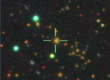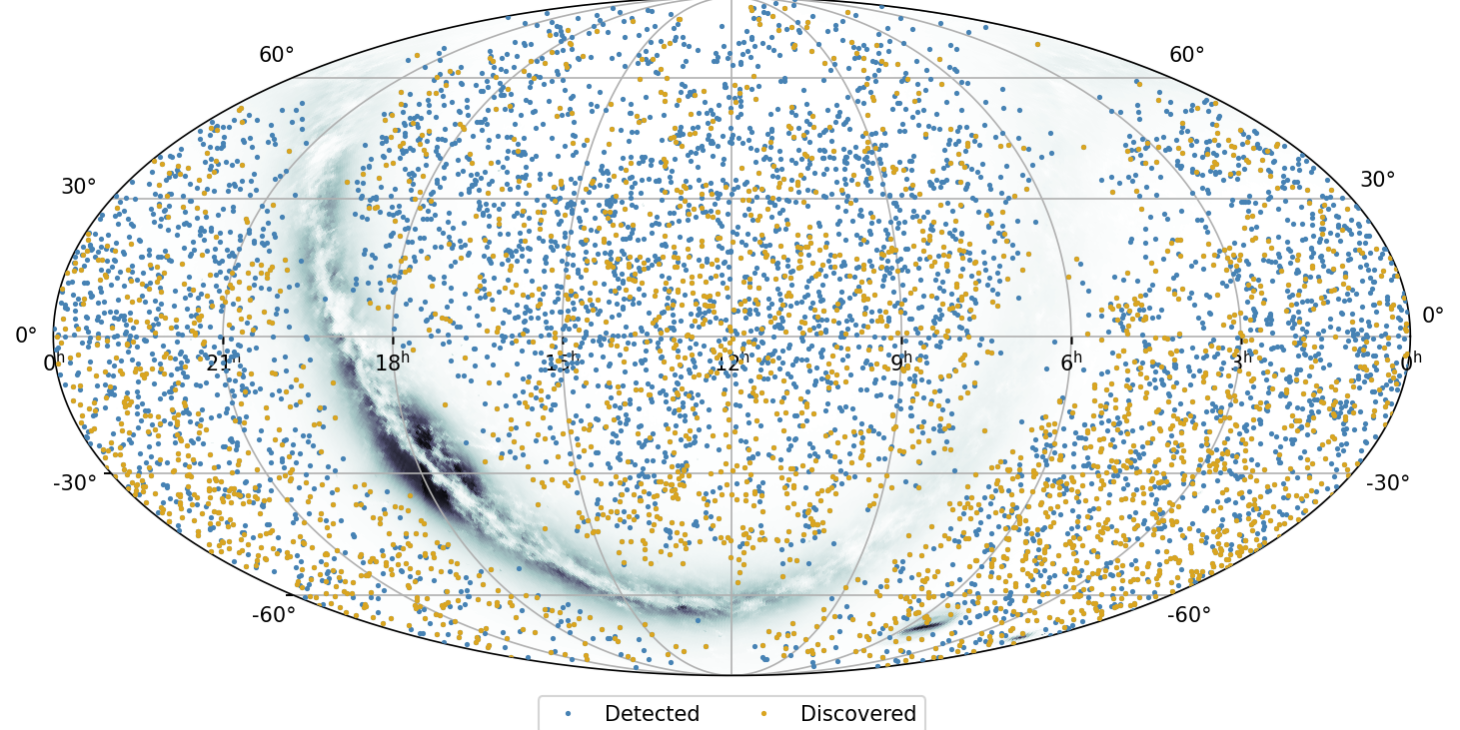
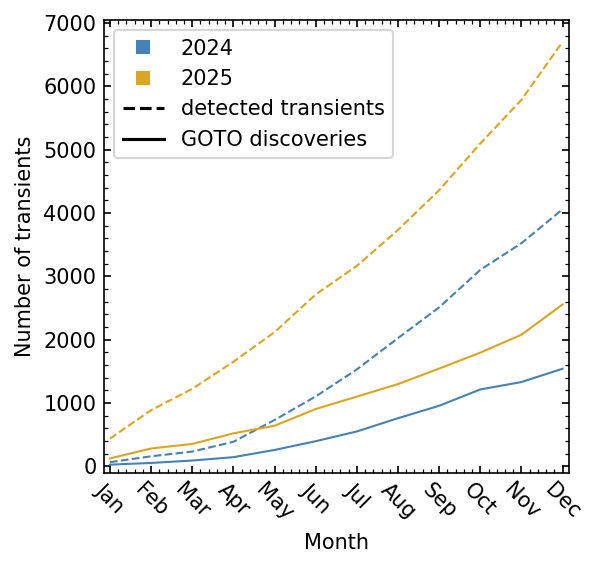
In 2025, GOTO had an outstanding year, detecting and reporting 6,703 transients (~18 per day), a rise of more than 60% compared to the previous year (~4,060). Of these, GOTO was the original discoverer of 2,557, another 60% increase on last years figure of 1,543 and an average of 7 per day. 48 of these discoveries were made by our citizen scientists, the Kilonova Seekers! Of the 2,557 GOTO discovered transients, 301 were classified by the collaboration and the wider transient community. Approximately 64% were identified as Type Ia supernovae, the thermonuclear explosions of white dwarf stars. 24% were Type II supernovae, typically arising from the core collapse of massive stars that have exhausted their hydrogen fuel. The remainder consist of a mix of hydrogen-poor Type I supernovae along with 2 TDEs and a few galactic transients such as Cataclysmic Variables.
Among the most exciting GOTO discoveries of 2025 were the following:
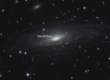
- GOTO25evh (SN 2025rbs): A Type Ia supernova in the nearby galaxy NGC 7331, at a distance of 14 Mpc. At peak brightness, it reached approximately 12th magnitude, making it the brightest supernova of 2025.
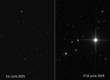
- GOTO25iqe (TDE 2025aarm): A rare and elusive tidal disruption event, in which a star wandered too close to the central supermassive black hole of its host galaxy and was torn apart by tidal forces. At a distance of ~60 Mpc, it is the second closest TDE ever recorded.
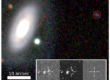
- GOTO25gqt (SN 2025wny): GOTO was the first to report the detection of SN 2025wny, which was subsequently identified by a team lead by Johansson et al. as a lensed supernova. Follow-up observations revealed it to be a gravitationally lensed type I super-luminous supernova, the first of its kind.