We are excited to announce that Kilonova Seekers has re-launched and entered Generation 3, marking the next phase of the project and a major update to how volunteer classifications help contribute to both discovery and machine learning.
For those new to the project, Kilonova Seekers is a citizen-science project that uses data from the Gravitational-wave Optical Transient Observer (GOTO) to enable members of the public to search for kilonovae and other astrophysical transient events in real-time. You can read more about the Kilonova Seekers project via the Zooniverse, or our published paper in Monthly Notices of the Royal Astronomical Society.
What’s new?
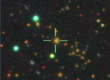
Gen 3 introduces a new classification workflow which will allow us to gain even more insight from volunteer classifications. In addition to the simple real/bogus question from previous iterations of the project, the workflow now asks what kind of real or bogus detection our volunteers think best matches the image they are seeing, to better enable the GOTO team to prioritise the most promising candidates for rapid follow-up, alongside providing valuable training data to train our next generation of machine-learning classifiers.
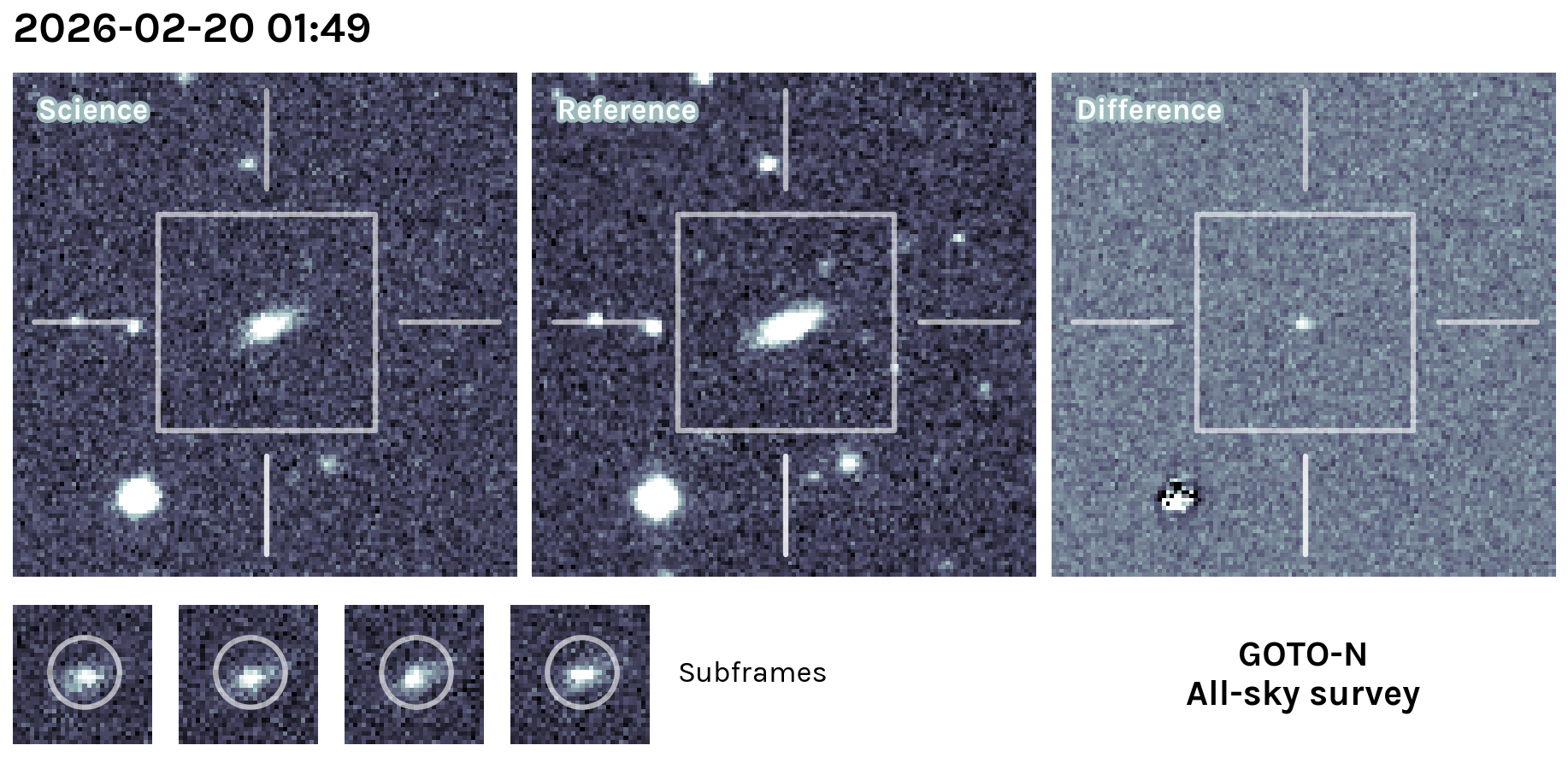
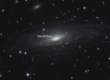
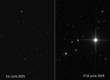
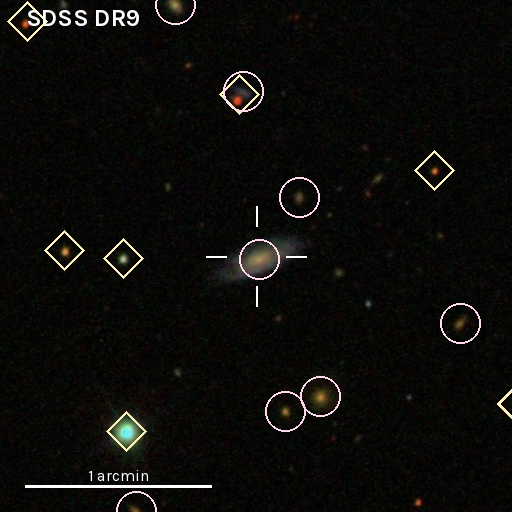
Updated tutorials and help text have been added throughout the project to reflect this new workflow, alongside a new contextual image for each candidate that gives additional information to support decision-making, and hooks in our moriarty source classifier. We’ve made use of Zooniverse features to deliver real-time feedback, to provide a small set of training data pre-labelled by the team to familiarise everyone with the new multi-class workflow and build volunteers’ confidence in classifications.
We’ve incorporated these updates based on volunteer feedback from earlier generations of Kilonova Seekers, so are excited to see how Gen 3 works for the community. The project has returned to its’ regular rhythm of uploading new candidates every 15 minutes, so we’re hopeful for many more discoveries over the next few months!